

Slow pages frustrate visitors and kill conversions, but you do not need to be a developer to make meaningful improvements. In this guide you will find practical, non-technical fixes you can run or delegate quickly, and each step is written for marketers, agency owners, web designers, and site managers with limited dev resources. Here’s a friendly, step-by-step plan that makes Website Speed Audit Fixes for Non Coders actionable and measurable.
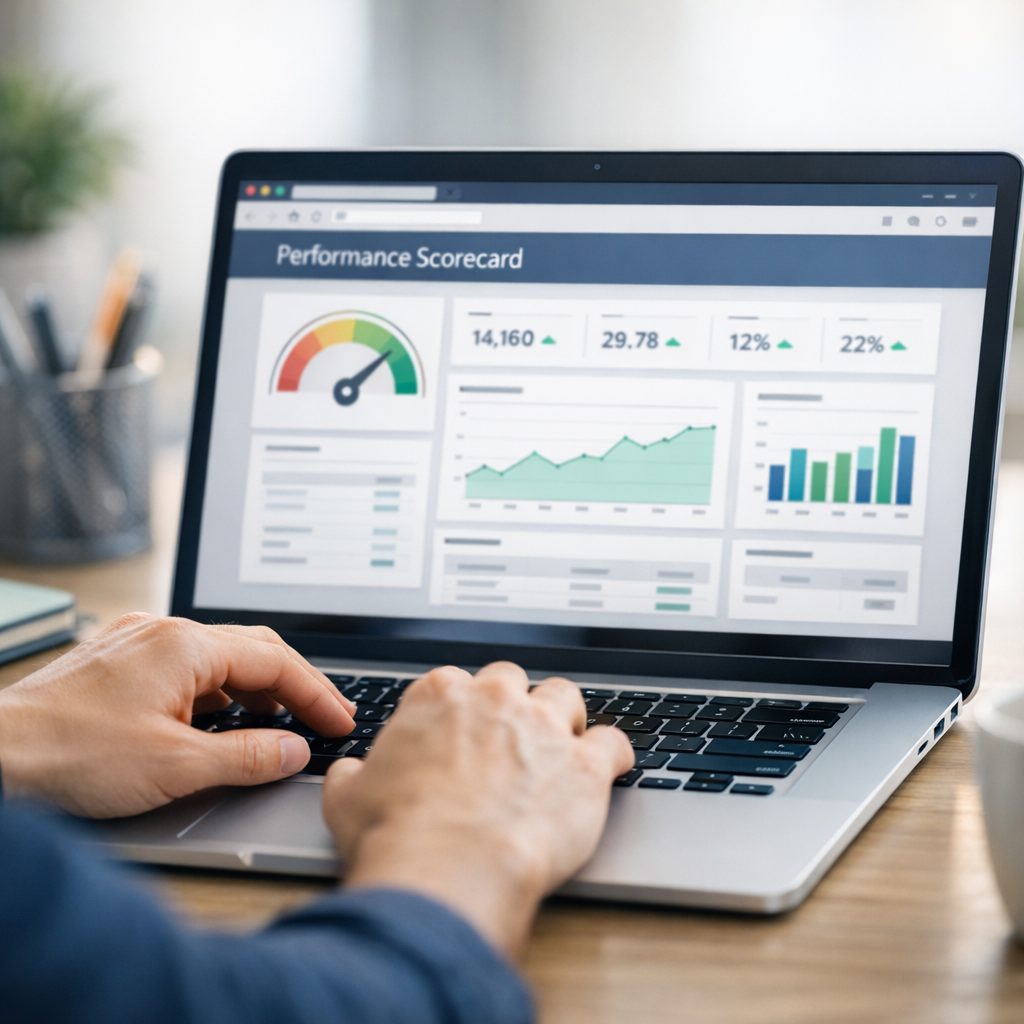
Why speed audits matter, even if you do not code
Faster pages improve SEO, reduce bounce rates, and increase conversions. Core Web Vitals and perceived speed influence both rankings and user trust, and small, non-code changes can move the needle. Here's the thing, you do not need to rewrite your site to see gains. Often a few configuration tweaks, better assets, and smarter hosting choices are all it takes.
Quick audit checklist you can run today
1. Run an easy speed checker
Use free tools like Google PageSpeed Insights or the browser Lighthouse report to get a baseline. These tools give plain-language suggestions you can prioritize. Note the highest-impact items: image optimization, unused third-party scripts, and server response time.
2. Compress and resize images without touching code
- Use image compression tools like TinyPNG, ImageOptim, or an online bulk compressor. Save space by exporting JPEG or WebP where supported.
- Resize to the maximum display size used on your page. If your page shows images at 800px wide, don't upload 4000px originals.
- Replace oversized hero images first, they often yield the biggest wins.
3. Use a plugin or builder tool for lazy loading
If your site runs on WordPress, Wix, or similar CMS, enable lazy loading via a plugin or built-in option so images and videos load only when they enter the viewport. This is often a one-click fix.
4. Reduce the number of third-party scripts
Third-party widgets and trackers slow pages. Audit tools will list slow external scripts. Remove non-essential chat widgets, analytics extras, or social embeds. If an element is essential, ask the vendor for an async or deferred loading option.
5. Serve smaller assets with a CDN
A content delivery network speeds up static files by serving them from locations closer to visitors. Many managed platforms include a CDN toggle. If your host offers Cloudflare or a built-in CDN, enable it and test again.
6. Optimize fonts the easy way
Limit web fonts to one or two weights. Use system fonts if performance is a priority. If you need custom fonts, use font-display: swap via a plugin or your CMS settings so text appears quickly while fonts load in the background.
7. Clean up pages with heavy page builders
If you use page builders, preview the page source for duplicated scripts or many nested modules. Replace sections with simpler layouts, remove unused modules, and consolidate repeating elements into reusable blocks.
8. Improve server response time without dev work
Upgrade to a better plan or switch to a host optimized for your CMS. Many hosts offer performance tuning options you can activate in the dashboard. Ask for server-level caching, PHP worker increases, or object caching—these are common hosting support requests.
9. Use accessible, non-technical caching and minification plugins
Plugins like WP Rocket or lightweight free alternatives can enable caching, browser caching headers, and file minification from a settings page. Configure default presets, run tests, and roll back if issues appear.
Prioritizing fixes: where to start
- Start with images and third-party scripts, they usually give the fastest wins.
- Next, enable caching and a CDN, then font and asset optimizations.
- Keep a test page or backup before making broad changes so you can revert if needed.
How to measure improvement
- Record your baseline score from PageSpeed Insights or Lighthouse.
- Implement one change at a time, rescan, and compare.
- Track bounce rate and conversion metrics in your analytics to see real-world impact.
Non-coder friendly workflow for agencies and freelancers
- Run an audit and capture screenshots of issues.
- Prioritize fixes by impact and effort: Low effort, high impact should be first.
- Use step-by-step tasks to hand off to support staff or a contractor.
- Offer clients a before/after report showing speed and conversion improvements.
If you need a ready-to-embed audit tool or white-labeled reports to win clients, check how Auditsky helps agencies convert traffic into leads with instant audit widgets. For agency-focused lead generation and white-label embedding, see Auditsky's agency pages and tools:
- Embed a free AI website audit tool to capture leads from visitors on landing pages and blogs, perfect for SEO agencies and digital marketers: https://auditsky.ai/agencies/
- Learn about the SEO lead generation features and white-label reports tailored to agencies: https://auditsky.ai/seo-agency-lead-generation/
- Explore content marketing lead generation use cases for faster conversions: https://auditsky.ai/content-marketing-lead-generation/
Common objections and how to handle them
- "We can't afford dev time" — Start with image compression and a CDN toggle, both low-cost and often supported by hosts.
- "Changes might break the site" — Implement one change at a time and keep backups. Use staging environments when possible.
- "We rely on third-party tools for conversions" — Audit which tools are essential and delay or lazy-load the rest.
FAQs
How much speed improvement can non-developers expect from these fixes?
Small sites often see 10 to 50 percent faster load times after image optimization, enabling a CDN, and removing a few heavy scripts. Results vary, so test and measure for your site.
Will these changes hurt my design or UX?
When done carefully, no. Compressing images and lazy loading preserve visual design while improving speed. Always test on staging or a single page first.
Are there one-click tools I can use if I am not technical?
Yes. Many CMS platforms and plugins provide one-click optimizations for caching, image compression, and CDNs. If you need a no-code audit widget for lead capture and automated recommendations, see Auditsky's homepage.
How often should I run a speed audit?
Monthly is a good baseline, or after any major site update. Faster-moving sites may benefit from weekly checks.
Can speed improvements help SEO right away?
Improved Core Web Vitals and faster server response can help ranking signals and user metrics, which may improve SEO over time. Combine speed fixes with on-page SEO for the best results.
What if my site is built on a page builder with poor performance?
Consider simplifying pages, converting heavy sections to static HTML blocks, or moving key landing pages to a faster theme or headless solution if long-term performance is critical.
I do not want to touch plugins, can an agency help?
Yes, agencies or freelancers can implement and test changes. If you want to generate leads or share audit reports with clients, Auditsky provides white-label audit tools and reports for agencies.
Next steps you can take this afternoon
- Run a PageSpeed Insights scan and note the top three issues.
- Compress the largest hero image and swap it on the live page.
- Enable a CDN option in your host dashboard or activate a CDN plugin.
Want help converting speed improvements into leads?
If you want to capture visitor interest and convert traffic into qualified leads while you optimize performance, consider embedding an audit widget that delivers instant, branded reports. Auditsky provides a plug-and-play AI website audit tool you can add to landing pages and blogs to generate inbound leads and white-label reports: https://auditsky.ai
Conclusion
Speed optimization does not have to be a developer-only task. By focusing on high-impact, low-effort fixes like image compression, removing or deferring non-essential scripts, enabling a CDN, and using caching plugins, you will improve both user experience and conversions. Start small, measure each change, and you will see steady gains that help rankings and revenue.