

Optimizing content for AI-driven search is not a magic trick, it is a process. As more discovery moves into chat-based assistants and answer boxes, you need content that is clear, structured, and easy for large language models to select and cite. how to optimize content for ai search visibility is about aligning your pages to the way AI systems read and extract answers, not just how humans read them.
Why AI search visibility matters
AI search systems, like chat assistants and answer generators, increasingly surface concise answers from the open web. If your content is structured so an AI can find and extract a high-quality answer, you get visibility inside those experiences, more direct referral traffic, and higher perceived authority. Here is the thing, visibility in AI search often translates to real leads and brand trust, because users frequently click through or convert after an authoritative snippet.
Core signals AI systems look for
Clear intent and concise answers
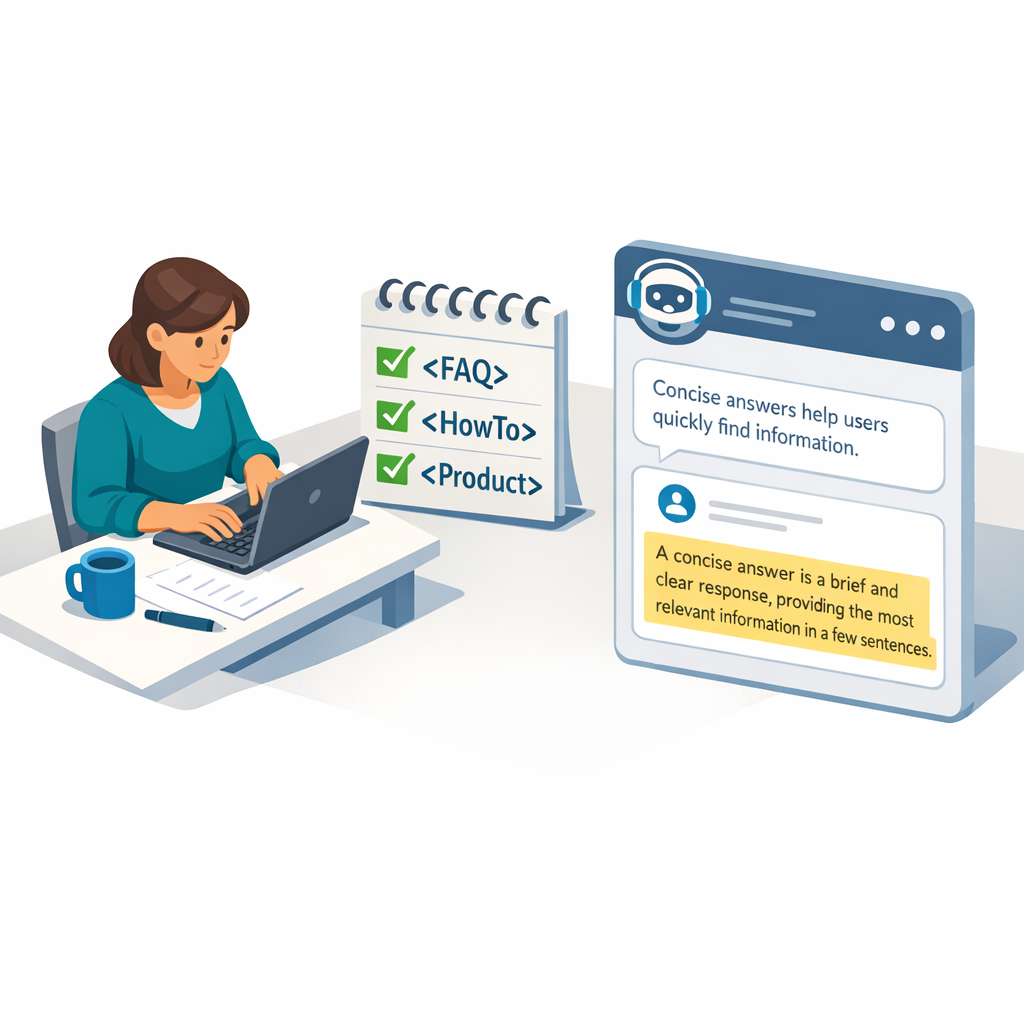
AI systems prefer pages that directly answer a specific question. Start with a short, scannable answer near the top of the page, then expand with details, examples, and references.
Structured content and headings
Use clear H1 to H3 headings, bullet lists, and short paragraphs. Structure makes it easier for AI to parse where an answer lives on the page.
Semantic context and keywords
Beyond exact-match keywords, include synonyms and related concepts: AI search optimization, AEO (answer engine optimization), LLM visibility. Semantic breadth helps models understand relevance.
Authoritativeness and signals of expertise
Show credentials, date stamps on research, citations, and trusted references. Use bylines or author bios when possible to signal experience.
Structured data and schema
Add appropriate schema markup, such as FAQPage, HowTo, Article, and Product, so machines can better interpret content structure and intent. For reference on schemas, see Schema.org.
Technical health and accessibility
Fast page speed, mobile responsiveness, proper indexing, and clean metadata matter. AI systems prefer pages that load quickly and are reliably crawlable.
A practical checklist to optimize pages
1. Lead with the exact answer
Begin your page with a 1-3 sentence concise answer to the target question, then expand. This short snippet is what AI systems often prefer to pull.
2. Use structured headings and lists
Break content into H2 and H3 sections. Use numbered steps or bullet lists for processes and definitions to improve snippet extraction.
3. Implement relevant schema markup
Add FAQPage for question pages, HowTo for step guides, and Article for long-form content. Validate schema with a structured data tester and keep JSON-LD clean.
4. Optimize for semantic relevance
Include your main query, synonyms, and related terms naturally across headings and paragraphs. Avoid keyword stuffing, aim for helpfulness and clarity.
5. Add short, high-quality excerpts for AI to cite
Craft 40–80 word highlight paragraphs that directly answer a subquestion. Place one near the top of each key subsection.
6. Strengthen E-E-A-T signals
Include author bios, dates, references to reputable sources, and transparent editorial notes. Where possible, link to studies or authoritative documentation.
7. Improve technical signals
Fix broken links, ensure canonical tags are correct, serve compressed images, and keep Core Web Vitals in a healthy range.
8. Use internal linking strategically
Link supporting pages with descriptive anchor text so AI models can follow context across your site. For example, embed tools and supporting resources where relevant.
Writing style tips specifically for AI discovery
- Answer common questions directly, then expand with examples. AI systems prefer clarity.
- Use plain language, avoid jargon unless you define it.
- Provide structured lists and numbered steps for processes.
- Include short definitions for key terms in the first mention.
Measuring success and tools
Track changes in traffic from organic search and referral clicks from AI sources when possible. Use on-site analytics and search console data to compare click-throughs and impressions before and after optimization.
If you want an automated scan of AI and SEO signals on your site, tools like Auditsky provide tailored AI visibility reports and lead-generation widgets that show where to prioritize fixes. You can learn how Auditsky explains AEO and AI signals in their beginner guide on AEO. For practical site-level audits and embedded lead tools, see Auditsky's lead generation and AI marketing pages.
Common objections and how to handle them
- "This sounds like extra work for little return." Start with your highest-value pages, fix structure and schema, and measure. Often a single page can unlock disproportionate visibility.
- "We do not have bandwidth for schema." Prioritize FAQ and HowTo markup on pages that answer user questions, those are the fastest wins.
- "AI systems may rank irrelevant content." Maintain quality and authoritativeness, and avoid gaming techniques. AI systems surface trusted, concise answers.
FAQs
How soon will AI search optimization show results?
It varies, but you can expect initial improvements in visibility within weeks for crawled pages. Consistent structure and schema accelerate selection by AI systems.
Should I rewrite existing articles or create new pages?
Start by optimizing high-traffic, high-conversion pages. If an article deeply answers specific questions, update and restructure it rather than creating duplicate content.
Do I need special tools to test AI visibility?
You can begin with structured data validators and search console data. For deeper AI-specific signals and lead generation, consider an AI audit tool like Auditsky.
What type of schema should I add first?
FAQPage and HowTo are high-impact for Q&A and process content. Article schema is useful for long-form content.
Will optimizing for AI harm my traditional SEO?
No. AI-friendly structure and clarity improve traditional SEO by increasing usability, relevance, and crawlability.
How do I write content that AI will cite without being thin?
Provide a clear, concise answer followed by an expanded section that adds examples, data, and context. That preserves depth while giving AI a clean excerpt to cite.
Can AI visibility help with lead generation?
Yes. When your content is selected by AI systems and includes clear CTAs, you can gain higher-quality traffic and conversions. Tools that embed AI audit widgets can turn visits into leads.
Improve your AI visibility in 30 minutes
- Add a concise answer to the top of a priority page. 2. Add FAQ schema for 2–3 common questions. 3. Improve one heading and add a short excerpt. These quick wins often produce measurable lift.
Start getting selected by AI today
If you want an automated AI visibility scan and a lead-generation widget you can embed, try an AI + SEO audit on Auditsky to see concrete improvement opportunities and capture leads from visitors. Visit https://auditsky.ai to run a free audit and explore AI optimization features.
Conclusion
Optimizing for AI search visibility is practical and repeatable. Focus on clarity, structure, schema, and authority. Start with a short answer near the top, add structured markup, and measure impact. Do those things consistently and you will increase the chances your content is selected inside AI assistants, while also improving traditional SEO and conversion potential.